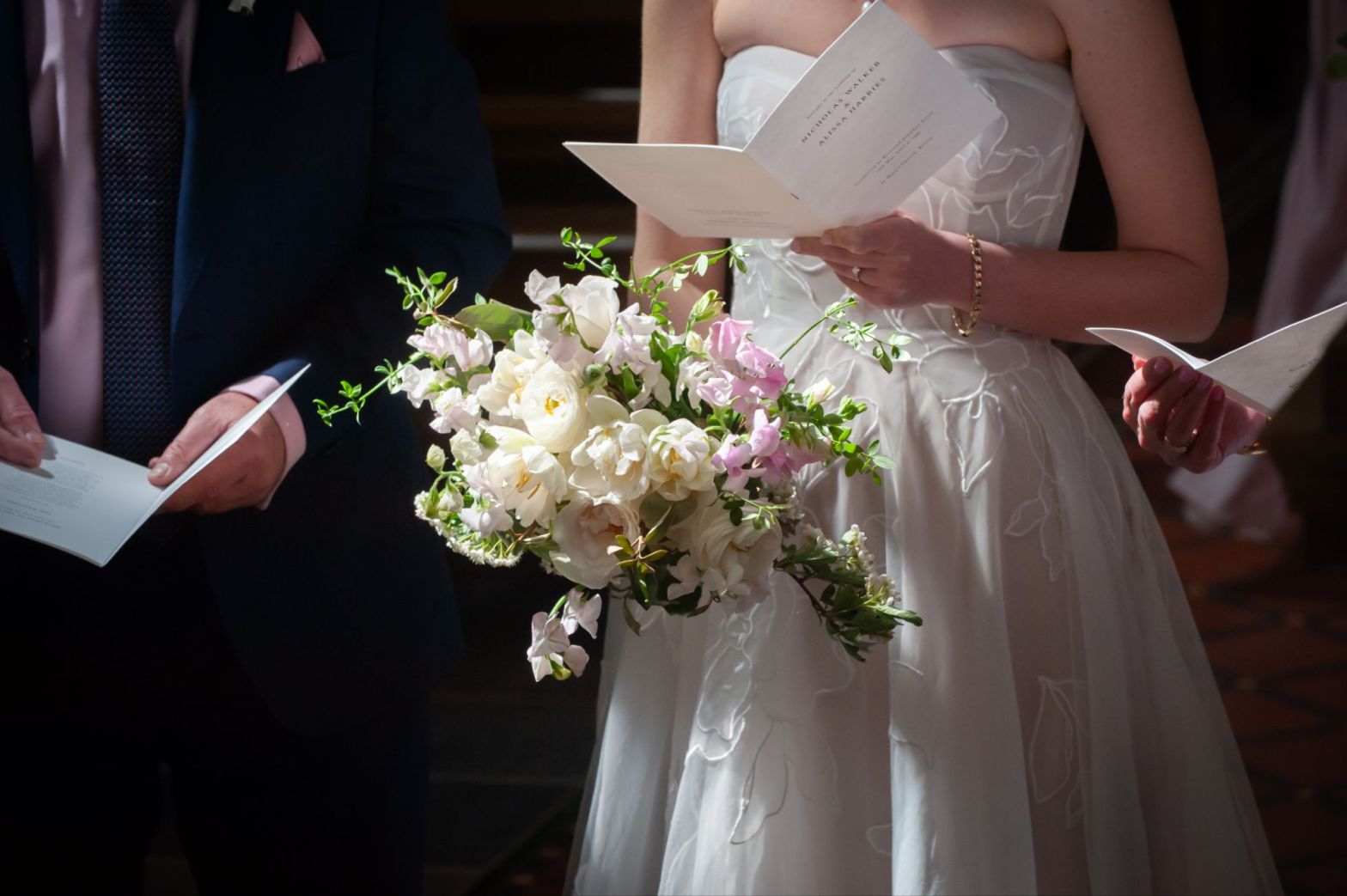
(And make them feel unmistakably you)
You’re engaged (yay!)
Firstly, a HUGE congratulations. What an exciting season you are embarking on in your life, and if you’re reading this with a cuppa in hand and a slightly overwhelmed feeling… you’re very much not alone.
For most couples, one of the very first things you’ll do after getting engaged is head straight to Pinterest. Suddenly your algorithm is full of arches, tablescapes, colour palettes and bouquets. It’s exciting, inspiring, and sometimes a bit much.


The early planning whirlwind
Once the inspiration boards begin, reality kicks in. You start ticking off the big-ticket items:
- Your venue
- Your dress
- Your photographer
- Perhaps the cake or catering
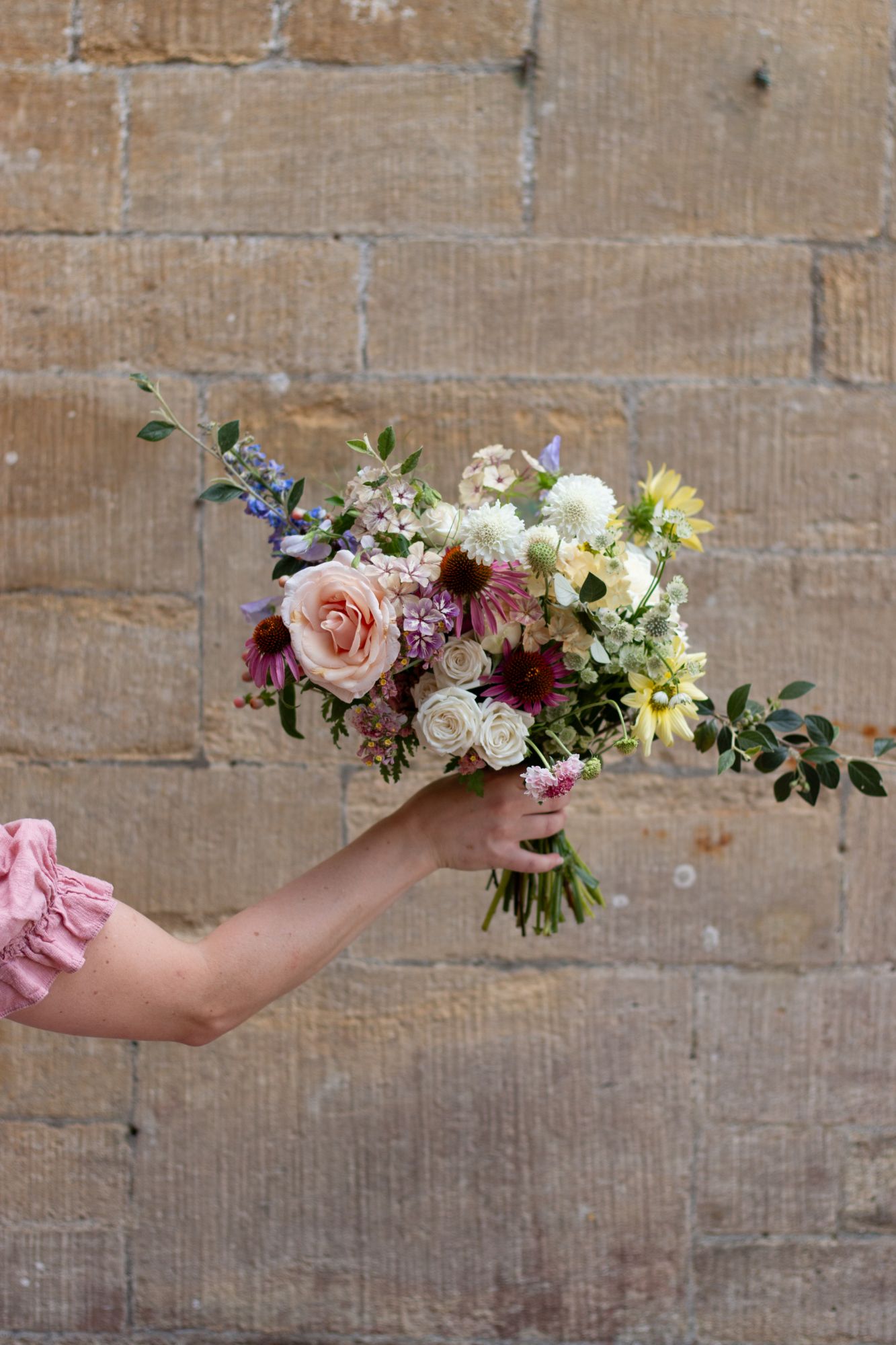
These decisions shape the framework of your day, but one of the biggest visual storytellers of all often comes slightly later in the process: your flowers.

Why flowers matter more than you think
Flowers don’t just decorate a wedding, they transform it.
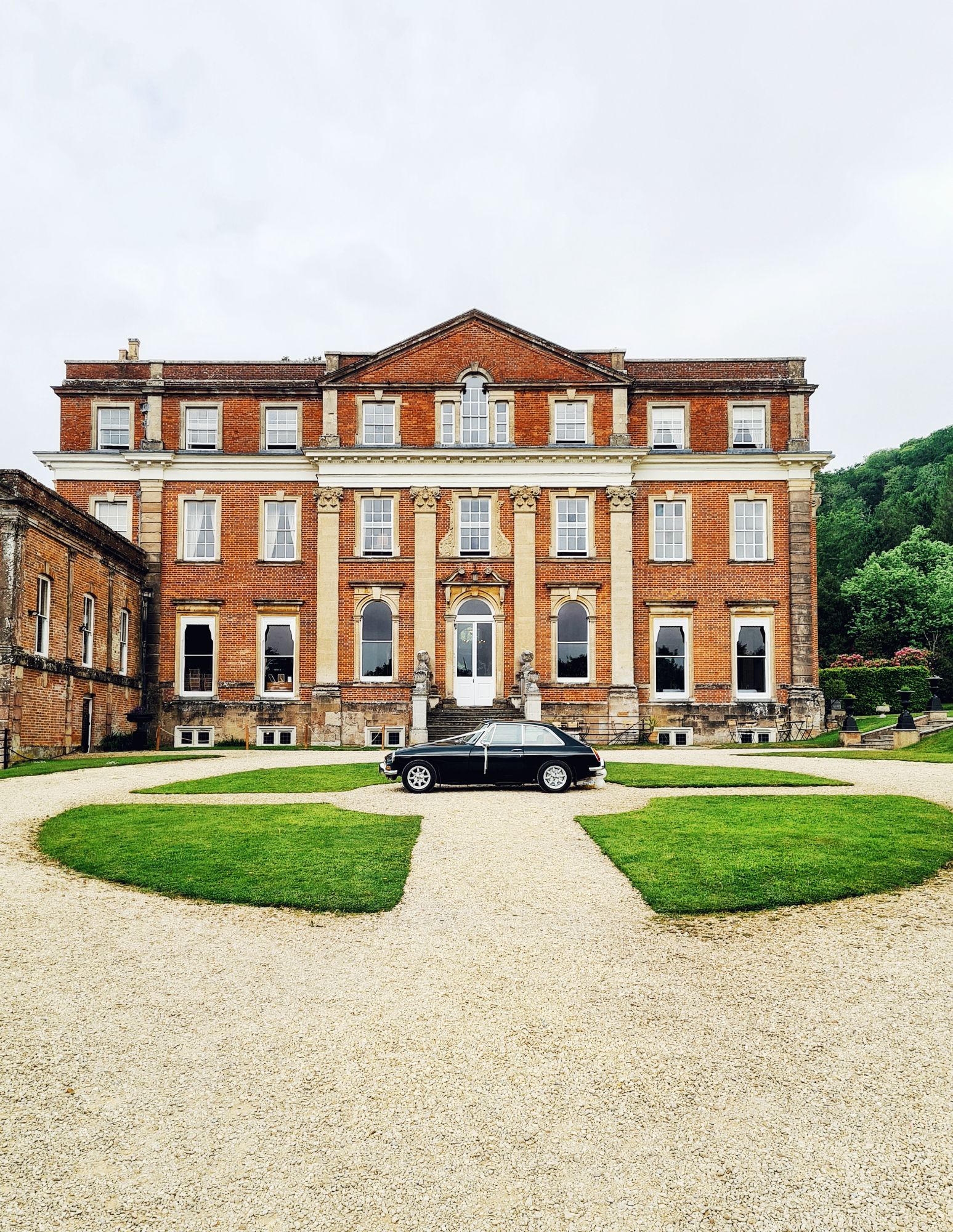
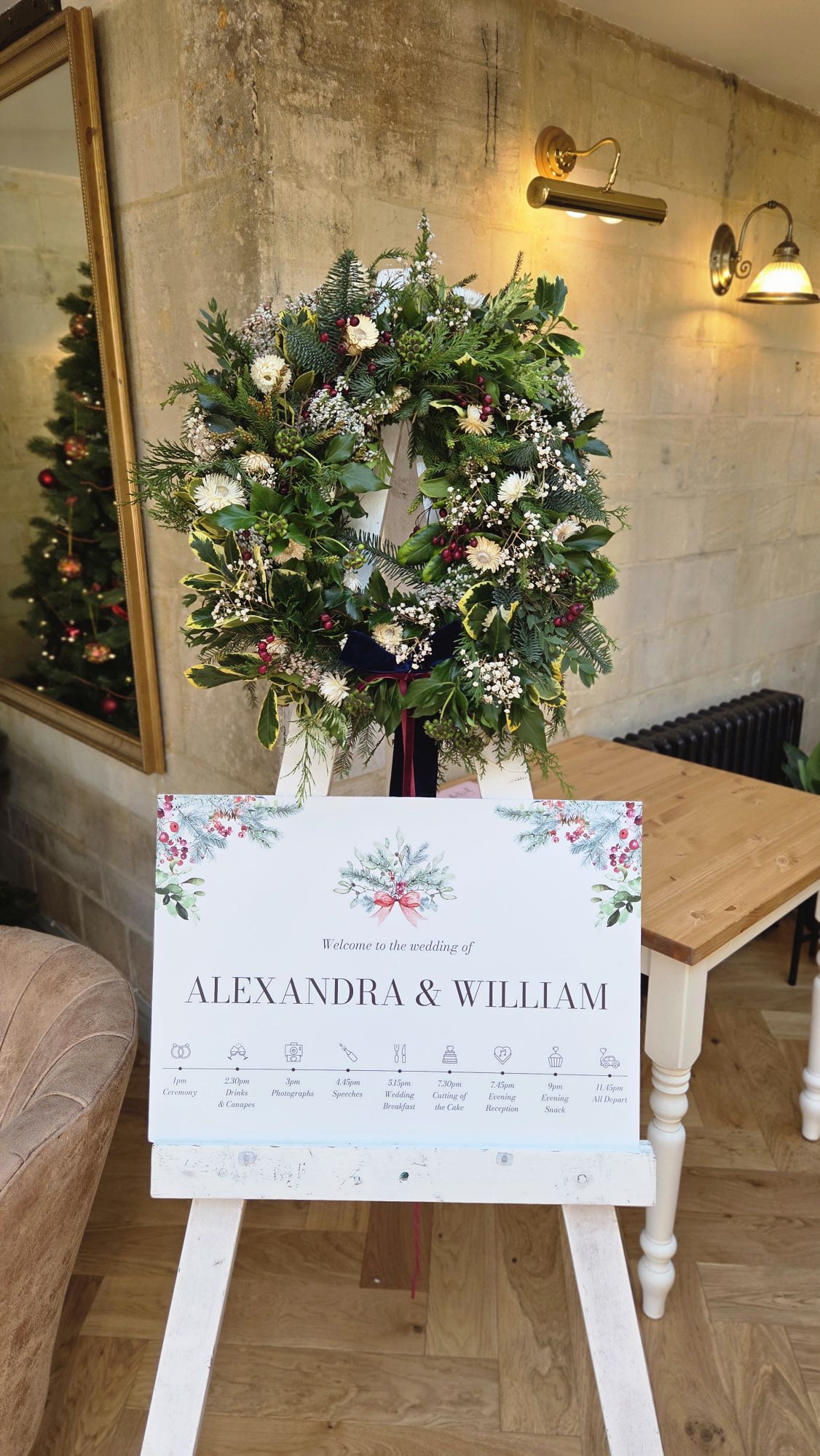
They soften stone walls, warm up blank spaces, frame moments, and quietly guide how a day feels. The same venue can host dozens of weddings each year, yet florals are one of the most powerful ways to make your celebration feel completely your own.
But they are also one of the elements a lot of couples find most baffling – not sure what flower names are, perhaps you like a picture but aren’t sure how to break it down in to the parts that you like and want to replicate. Styles of floral design are hard to describe and is that even in season anyway… who knows?
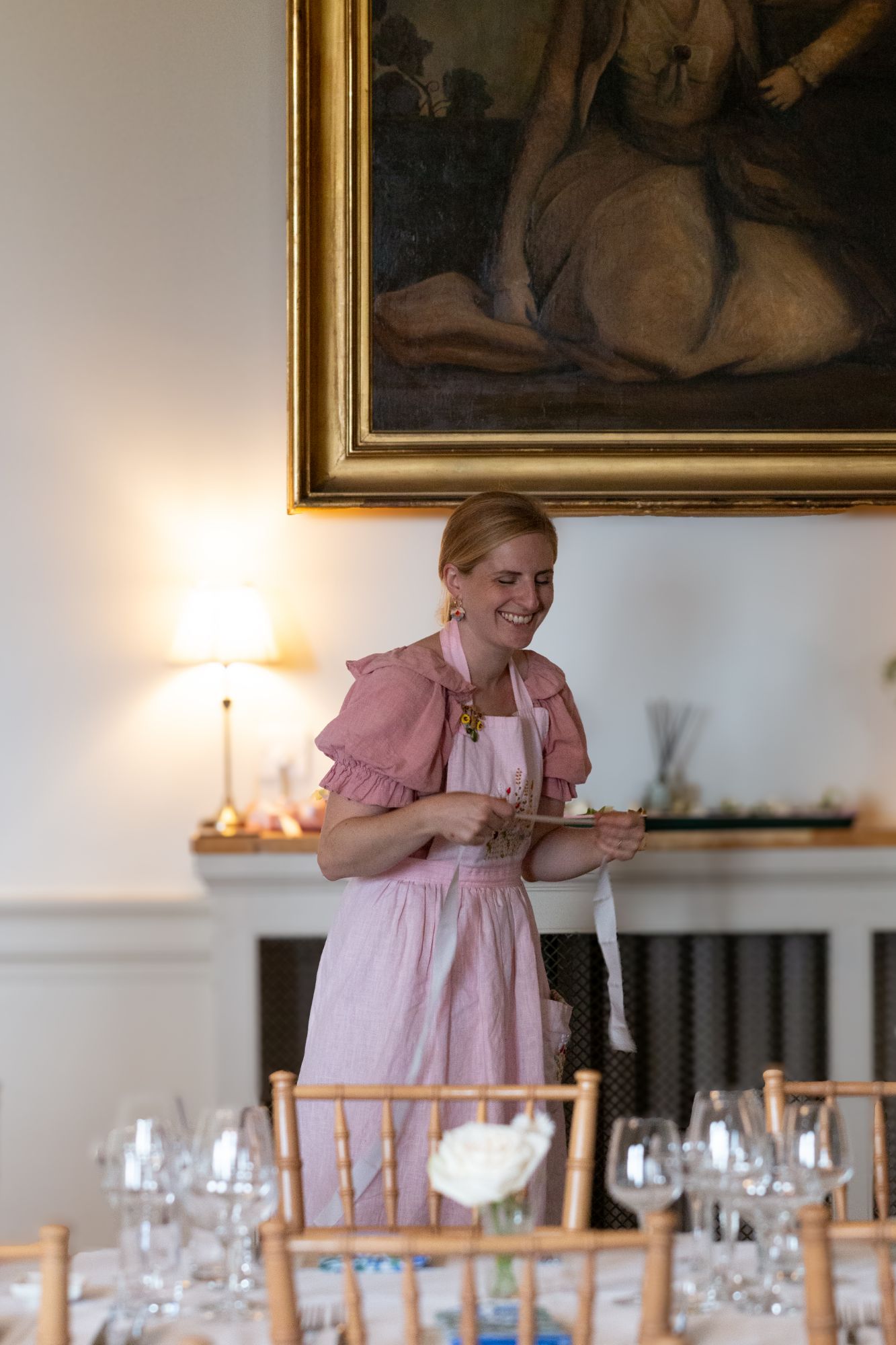
But, before we go any further, I’m Esme, founder of The Honey Seeker Floral Design. I create wildy creative wedding flowers rooted in story, season and colour, and I also preserve bouquets afterwards so your flowers can live on long after the day itself.
You can find me here:
- Instagram: @thehoneyseekerfloraldesign
- Website: http://www.thehoneyseekerfloraldesign.co.uk

Wedding flowers: where to start
If Pinterest has left you with 300 saved images and no clear direction, here’s a gentler way to approach things.
1. Start with the style of your overall wedding
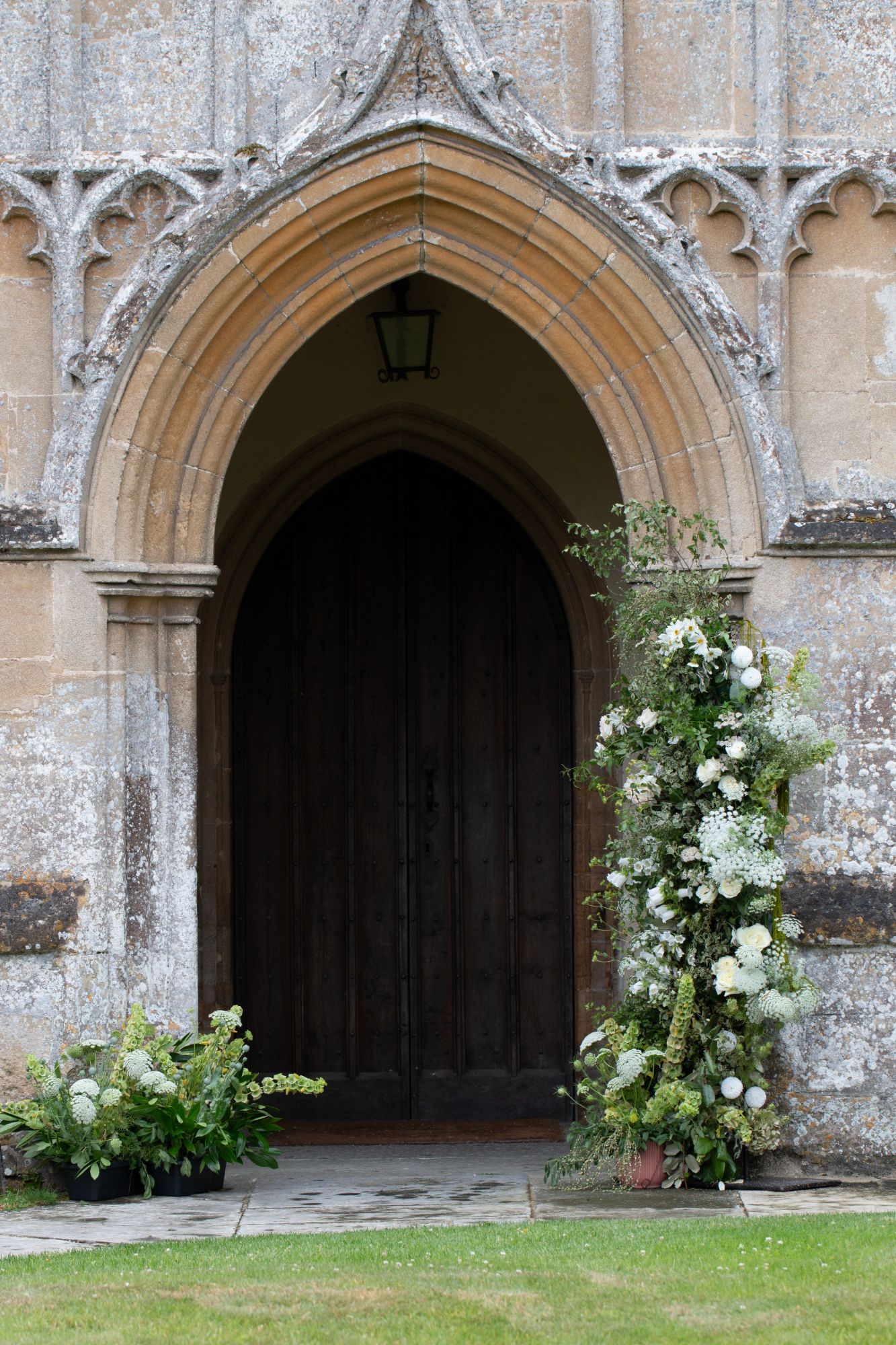
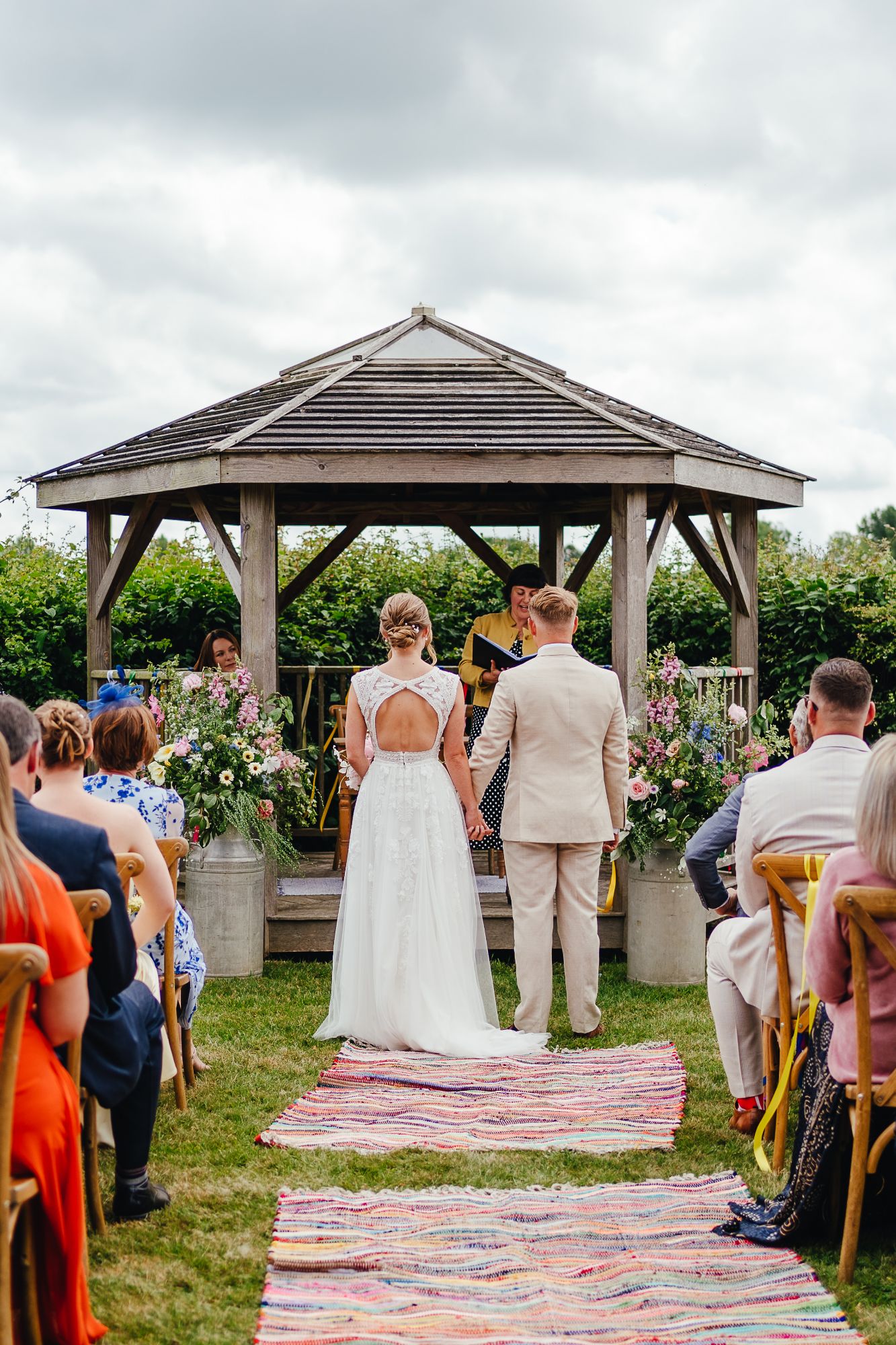
Your floral style often grows naturally from your venue.
A candlelit manor house might lean towards romantic and abundant. A contemporary barn might suit something more sculptural and bold. A registry office wedding could be pared-back, modern, and intentional.
Rather than labelling things too quickly (“rustic”, “classic”, “timeless”), ask yourself:
- How do I want the day to feel?
- Relaxed or dramatic?
- Soft and romantic
- Or bold and expressive?

2. Let colour lead the way
When it comes to colour please don’t limit yourself.
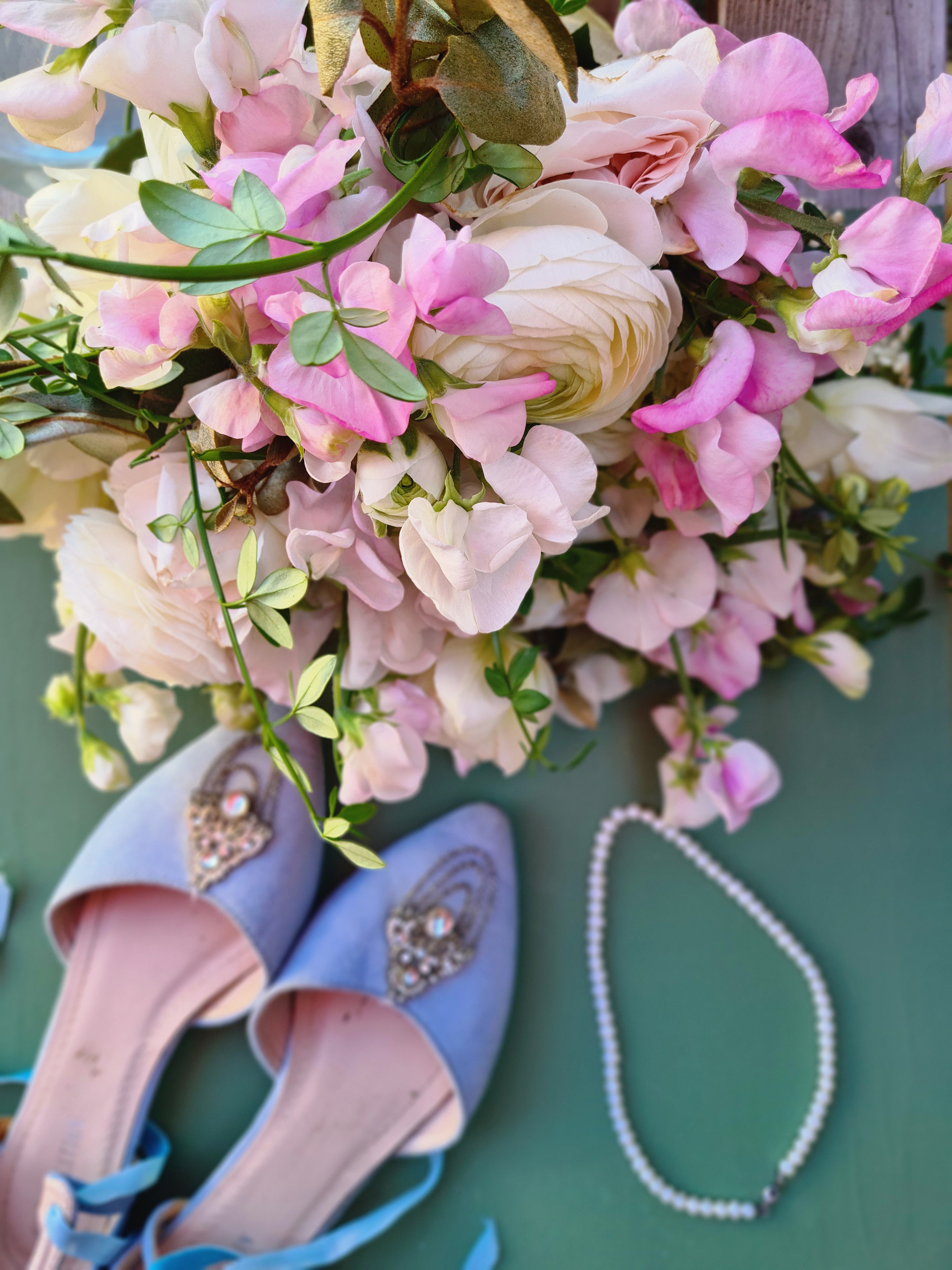
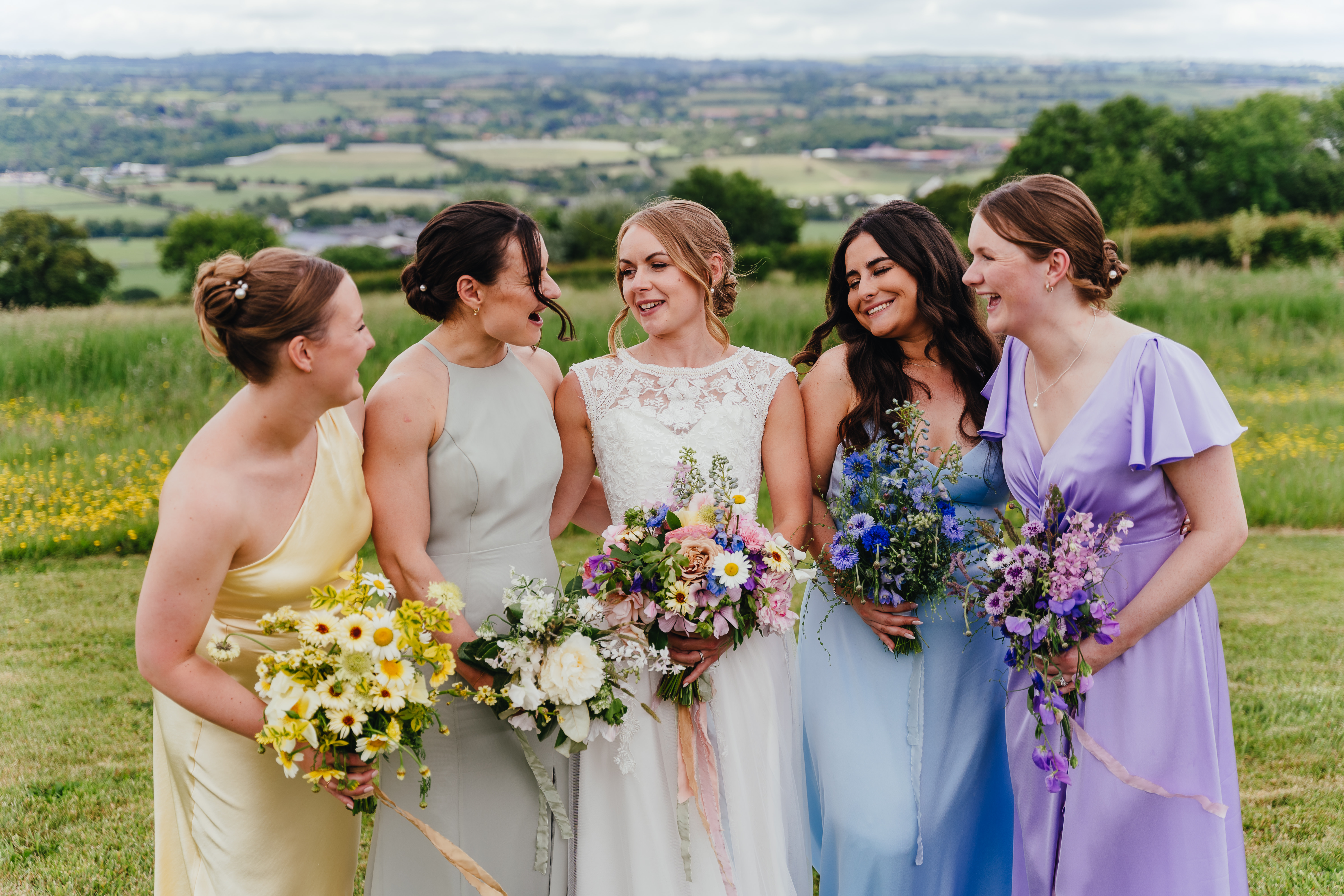
Two-tone weddings had their moment, but colour stories are where things feel truly alive. Think layered tones, unexpected combinations, and palettes that feel like they’ve been mixed rather than matched.
Much like painting or textiles, florals thrive on:
- Tonal variation
- Depth and contrast
- A sense of movement rather than uniformity
If multiple colours keep calling to you, that’s usually a sign you’re on the right track.
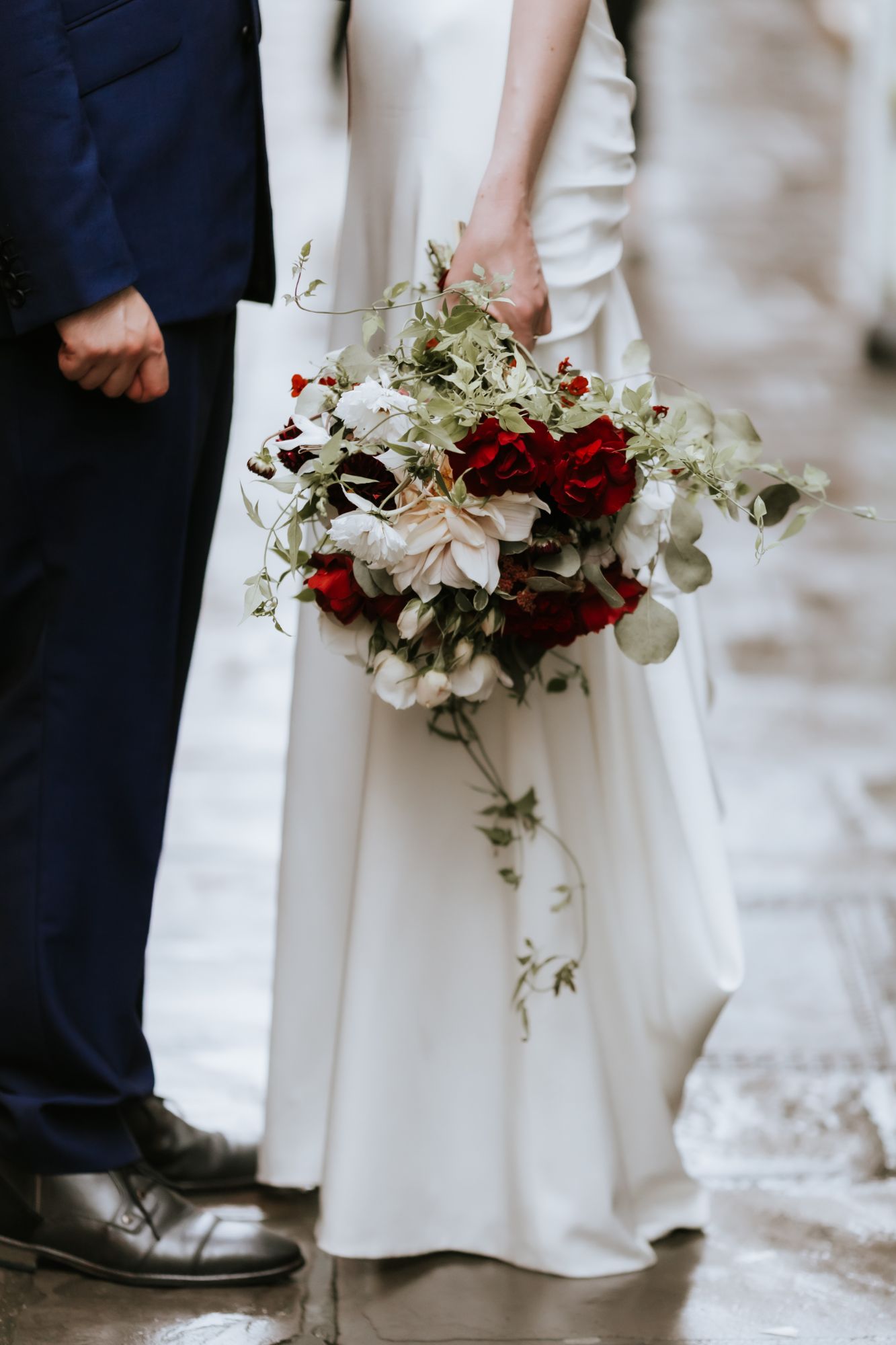
3. Pinterest: but with intention
Pinterest is an incredible tool if you use it thoughtfully.
Instead of saving everything you like, start noticing:
- Which arrangements stop you scrolling
- Whether it’s the colour, shape, scale or looseness you’re drawn to
- The emotion the flowers give you
Often it’s not the exact flowers you love, it’s the feeling behind them.

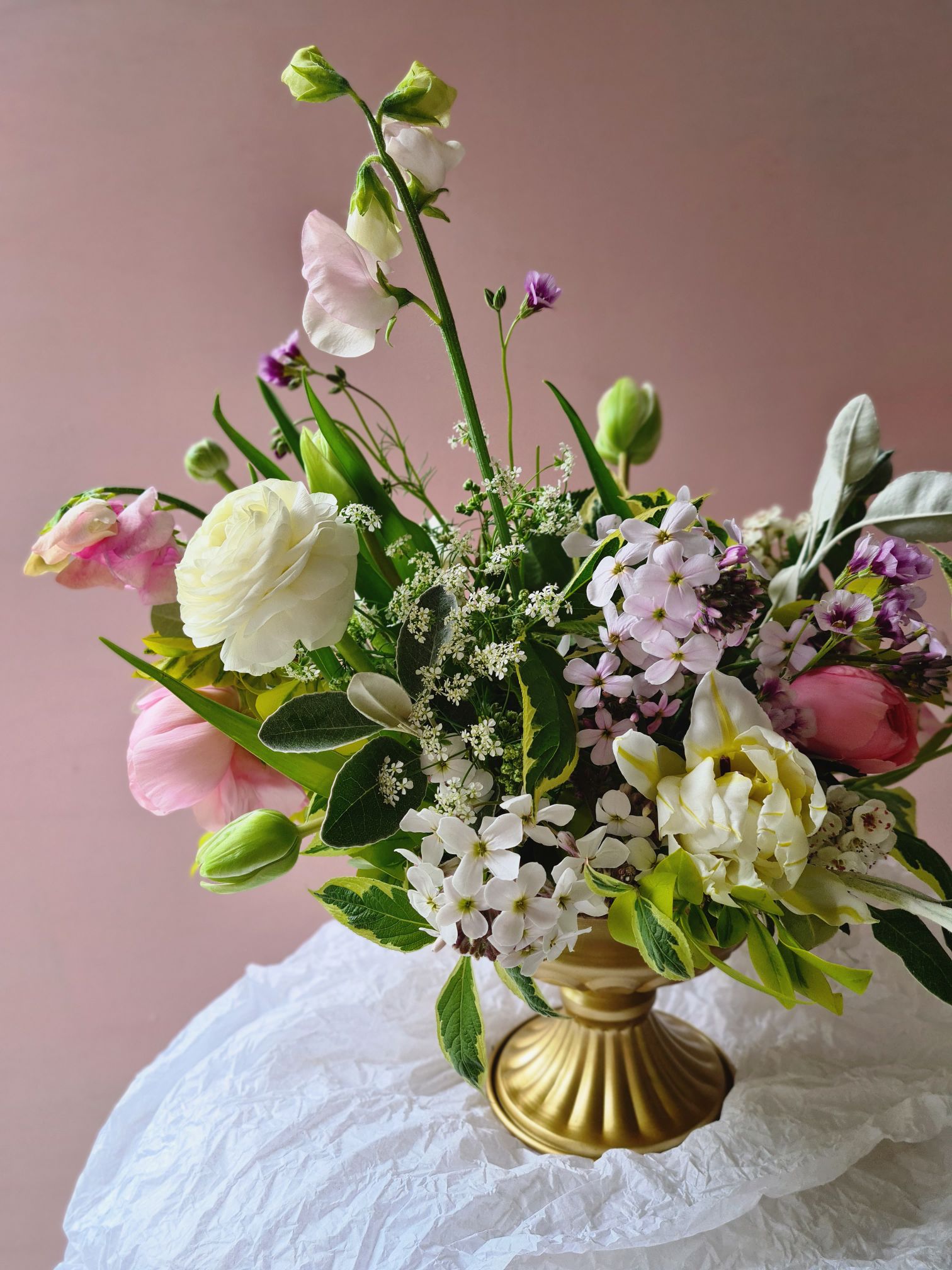
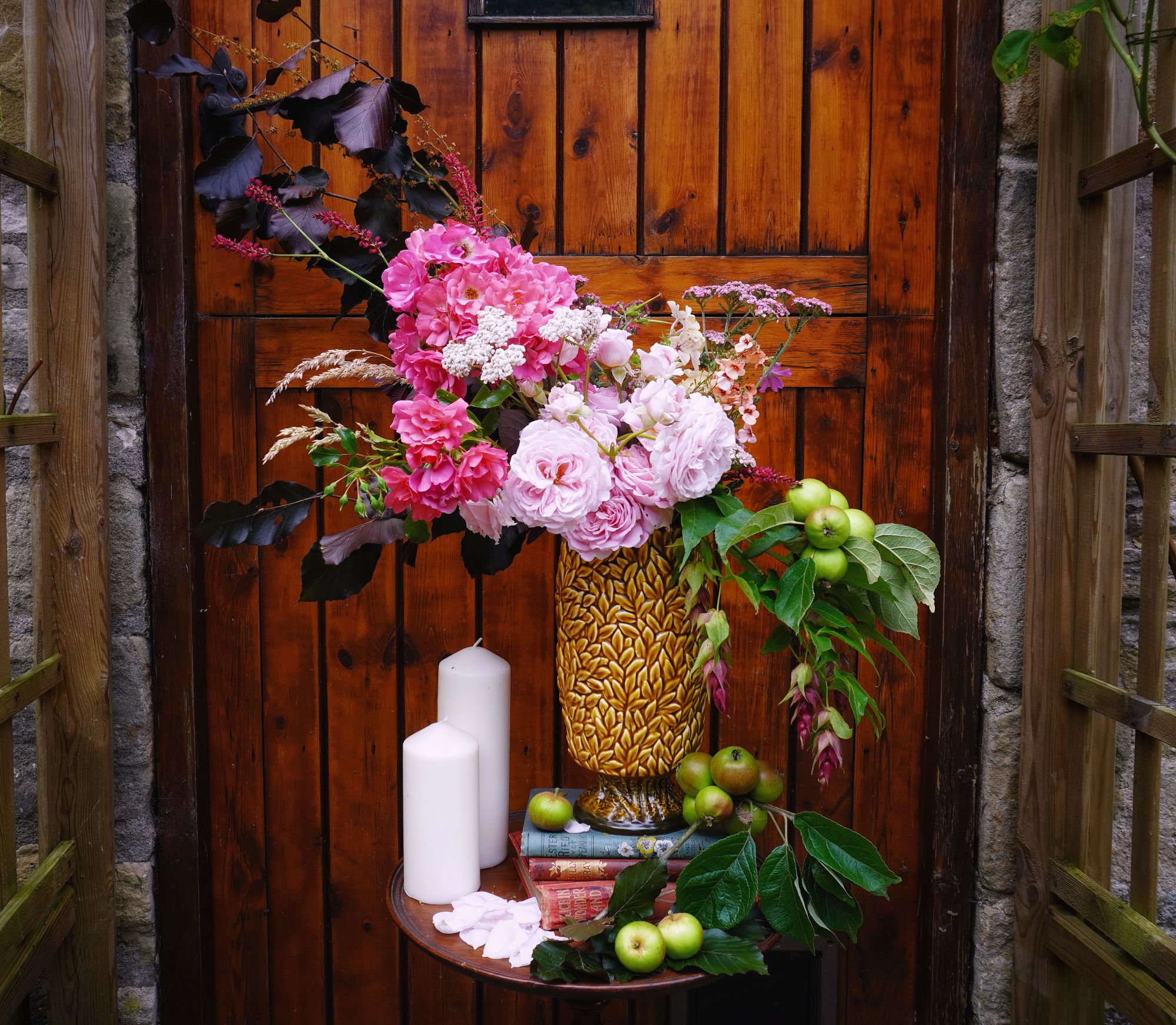
4. Make it personal
Your flowers are an opportunity to quietly tell your story.
That might be:
- Referencing a place that matters to you
- Including colours tied to a memory or season
- Heritage, heirlooms, or sentiments
This is where working with a florist who values storytelling can make all the difference. Even if you’re not sure how those elements can relate to flowers, your florist can translate this for you.
Let me give you an example:
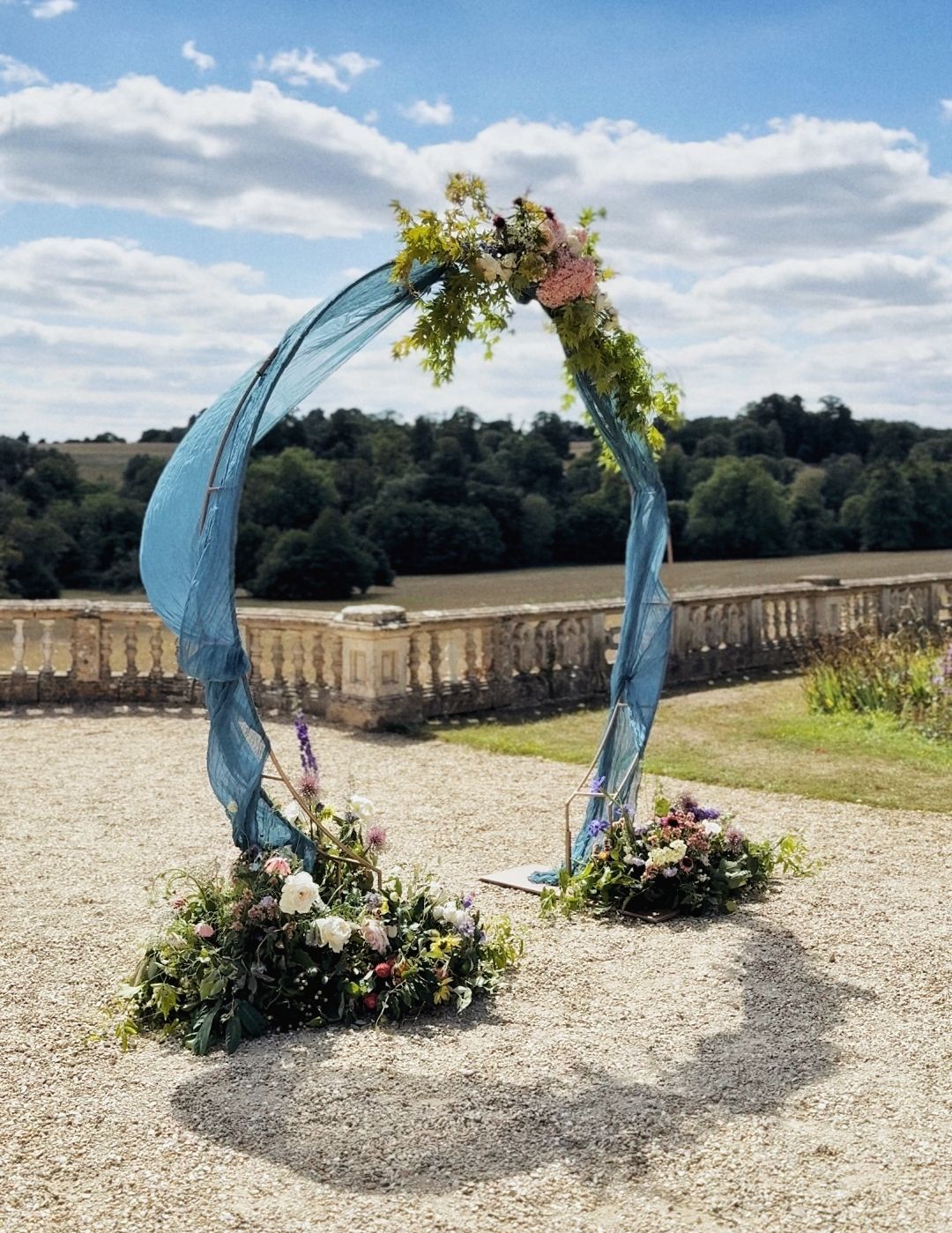
I worked with a couple where the bride was Chinese and she was keen to bring in elements from her heritage. And so, surrounding them at the altar, we made them a floral moongate – auspicious in Chinese culture, symbolizing unity and harmony, as well as beautifully framing the incredible landscape that was their ceremony backdrop in a unique way.
Tell me about who you are are, the things you love, what’s important to you, and I’ll use this to create a deeply personal floral story for you that dances its way around your wedding venue.

Final thoughts
Wedding flowers don’t need to be overwhelming or overly prescriptive. When you begin with feeling, colour, and story, the rest tends to fall into place. And, most importantly, trust your florist – when you sit down to that initial consultation, explain what you do or don’t know about flowers and how much or little help and advice with planning you’d like to have.
Hand over to them what is important to you, along with your personal stories (even if you don’t know yet how this could possibly work in an arrangement), and let them put that into a design for you.
If you’re early in your planning journey, let this be your permission to gather inspiration slowly, stay curious, and trust what keeps drawing you back in.
If you’re ready to take the next step and enquire, why not reach out to me now – it’s only a few clicks away:
Can’t wait to speak soon, Esme x
 Wedding Flowers and Flower Preservation. Somerset, Wiltshire, Dorset, Bath and Bristol, and The Cotswolds